
The AI Transformation of Oral Care Systems
Within the oral care device category, a leading water flosser brand observed a widening perception gap between product performance and user experience.
Global Company Size: Multi-billion dollar publicly traded U.S. consumer healthcare company
Company Type: Publicly traded U.S. consumer healthcare brand
Category Focus: Oral Care Devices – Water Flossers
Team: Brand Strategy & Consumer Insights
CHALLENGE :
Within the oral care device category, a leading water flosser brand observed a widening perception gap between product performance and user experience. Although the device delivered clinically supported cleaning benefits, consumer conversations increasingly reflected uncertainty, stalled improvement, and doubts about effectiveness. Performance was not being questioned solely on mechanical grounds, but through lived user experience.
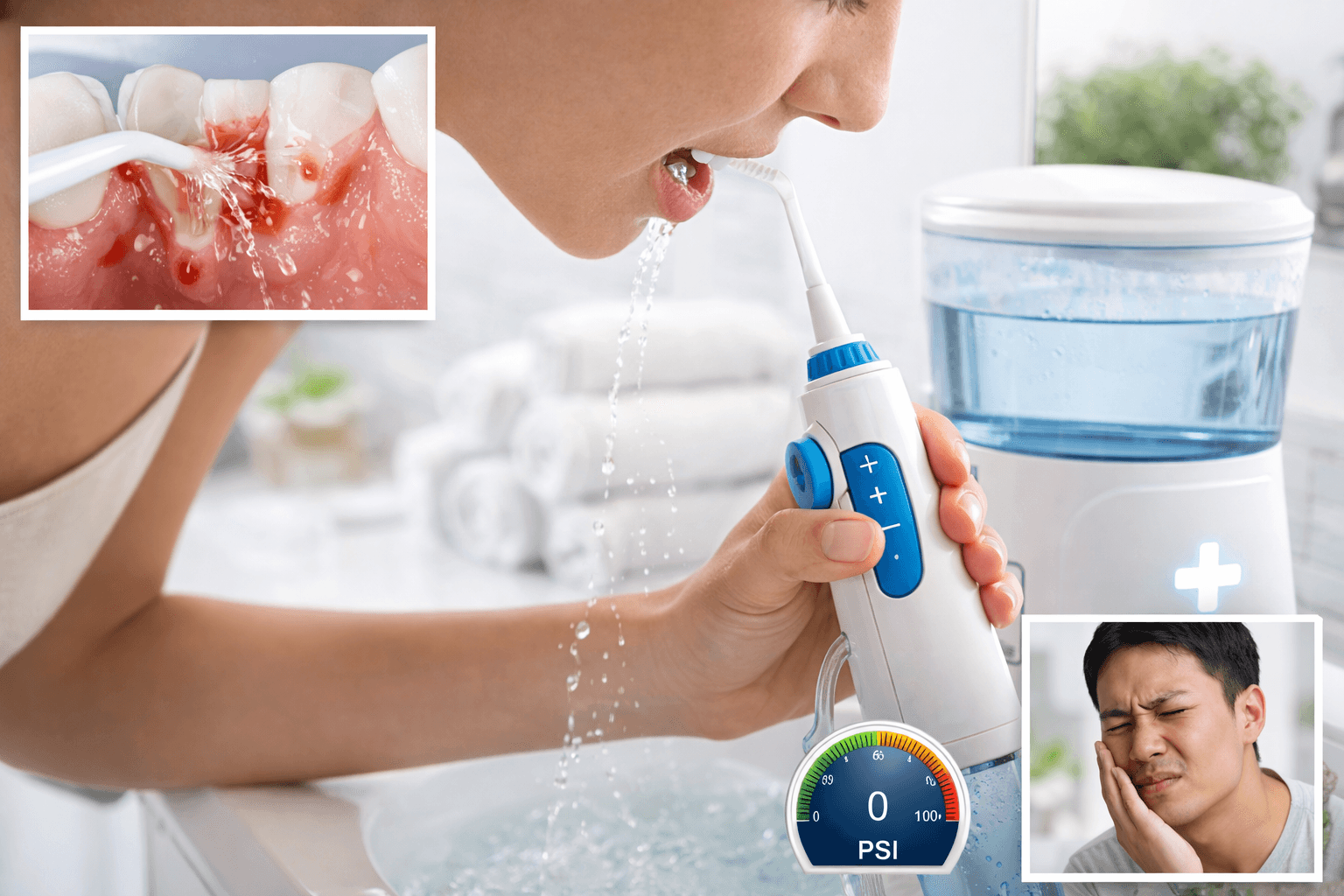
Behavioral analysis revealed recurring themes of technique confusion, pressure mismanagement, and unrealistic expectations around gum health improvement timelines. Many users questioned whether they were using the device correctly, particularly when early sessions felt messy, uncomfortable, or produced bleeding. Others remained on low pressure settings for extended periods, limiting cleaning effectiveness and reinforcing perceptions of underperformance. Consumers frequently anticipated rapid results, while biological recovery requires consistent use over weeks, creating misalignment between expectation and outcome.
Comparative device discussions further shaped perception, with effectiveness evaluated not only by results but by pressure consistency, durability, and perceived intensity. In many cases, usage gaps and expectation misalignment were misattributed to product malfunction. Traditional metrics such as ratings and sales data provided surface-level indicators of satisfaction but did not explain the behavioral drivers behind doubt. The core challenge became clear: effectiveness was being defined psychologically as much as mechanically, requiring a deeper understanding of how consumers interpreted performance within real-world routines.
SOLUTION
To understand how perceived “performance” was being constructed within the water flosser category, the organization deployed the CREWASIS Decision Intelligence Platform to analyze large-scale, unstructured consumer conversations across social and digital environments.
Rather than relying solely on ratings, return data, or aggregate satisfaction metrics, the platform surfaced how consumers themselves define effectiveness in real-world language across first-use experiences, pressure progression behaviors, gum health timelines, and comparative device discussions. Through behavioral clustering, sentiment modeling, and cross-channel narrative analysis, the platform mapped how users interpret success, failure, and improvement within everyday oral care routines.
Technique Doubt Shapes Perceived Failure
Analysis revealed that many users questioned whether they were using the device correctly, particularly during early sessions. Mess, discomfort, awkward positioning, and uncertainty around angling were frequently interpreted as misuse. When expected outcomes did not materialize immediately, users often assumed they were “doing it wrong,” even when the device was functioning properly.
Performance perception was therefore closely tied to user confidence. Without clear internal validation cues, technique uncertainty became a primary driver of perceived ineffectiveness.
Timeline Psychology Influences Trust
The platform uncovered a significant expectation gap around improvement timelines. Many users anticipated rapid gum health transformation, while biological healing requires sustained, consistent use over weeks. When bleeding or sensitivity persisted beyond a few sessions, effectiveness was questioned.
Improvement was frequently evaluated in short-term increments rather than as a cumulative process. Timeline misalignment emerged as a central factor shaping trust in the device’s performance.
Pressure Progression Defines Long-Term Effectiveness
Analysis showed that pressure behavior played a critical role in outcome perception. Some users remained on low settings out of caution, limiting cleaning depth. Others advanced too quickly and experienced discomfort, reinforcing fear-driven avoidance.
Pressure was often treated as a fixed preference rather than a progression variable. Users who gradually increased intensity over time reported clearer improvement signals, while static or inconsistent pressure use contributed to stalled results and doubt. Performance perception was therefore influenced as much by pressure progression behavior as by product capability.
Usage Gaps Drive Misattributed Product Failure
The platform identified recurring patterns where perceived malfunction stemmed from usage gaps rather than mechanical issues. Low-pressure use was frequently misinterpreted as weak performance. Incorrect angling blocked effective cleaning while reinforcing beliefs of product failure. Early bleeding or discomfort was often viewed as harm rather than inflammation response.
Comparative discussions across devices further shaped evaluation, with outcome satisfaction judged by pressure consistency, durability, and perceived intensity. In many cases, dissatisfaction reflected expectation misalignment and technique friction rather than fundamental product deficiency.
Results
Usage Psychology Clarified Performance Interpretation
AI modeling revealed that perceived effectiveness in the water flosser category is closely linked to user behavior and expectation alignment. By identifying technique uncertainty, pressure progression patterns, and timeline misalignment as key drivers of perception, the organization gained a clearer understanding of how consumers interpret results in real-world routines.
Performance evaluation was reframed as a function of user confidence, sensory feedback, and perceived progress enabling a more accurate reading of satisfaction beyond mechanical capability alone.
Expectation Alignment Strengthened Trust Signals
Behavioral analysis clarified that improvement is evaluated in short-term increments, while physiological recovery requires sustained use over time. Recognizing this expectation gap provided a more structured lens for interpreting feedback related to bleeding, sensitivity, and early discomfort.
Aligning perceived timelines with biological reality helped distinguish between true performance concerns and natural adaptation phases, strengthening long-term trust interpretation.
Usage Pattern Insights Reduced Misattributed Failure Signals
AI clustering identified recurring patterns where low-pressure use, angling inconsistencies, or irregular routines influenced outcome perception. By distinguishing between mechanical performance and usage-driven variability, the organization gained a more precise understanding of dissatisfaction signals.
This shifted performance interpretation from defect-driven assumptions to behavior-informed insight.
About
This project analyzed how consumers interpret water flosser effectiveness across digital environments using advanced behavioral clustering and large-scale text analysis.
The objective extended beyond measuring satisfaction scores or review sentiment. It focused on understanding how consumers define performance, improvement, pressure intensity, and success within everyday oral care routines.
By synthesizing unstructured consumer conversations into a unified behavioral perspective, the analysis revealed a core insight: perceived effectiveness in the water flosser category is shaped as much by usage psychology as by product mechanics.
The result was a clearer understanding of how consumers construct, evaluate, and sometimes misinterpret cleaning performance over time.
Before AI-Driven Insights
Prior to behavioral modeling, understanding water flosser performance perception relied primarily on product ratings, return data, customer complaints, and aggregate satisfaction metrics.
Why users questioned whether they were using the device correctly
Why early bleeding or soreness was interpreted as product failure
Why timeline expectations undermined trust in effectiveness
Why pressure progression behavior influenced long-term satisfaction
Why usage inconsistencies were frequently misattributed to mechanical defects
Traditional KPIs measured surface-level satisfaction and defect reporting, but they did not capture the psychological and behavioral factors shaping perceived performance. Signals related to technique uncertainty, pressure hesitation, and expectation gaps remained fragmented across search queries, product reviews, and digital discussions.
Behavioral patterns influencing outcome perception were visible but not structurally connected.
Advanced analysis enabled the integration of these dispersed signals into a cohesive understanding of how consumers interpret effectiveness within real-world oral care routines.
Choosing AI to Decode Routine Engineering
Review of large-scale consumer conversations revealed that technique uncertainty significantly influenced early abandonment and doubt. Timeline patterns showed that many consumers evaluated improvement in short-term increments, creating expectation gaps between expected and physiological results. Pressure behavior analysis indicated that static or inconsistent intensity settings contributed to plateau perception over time.
Recurring usage patterns also demonstrated that incorrect angling, low-pressure use, or inconsistent routines were frequently misattributed as device malfunction. Cross-device comparisons further showed that outcome perception was influenced by pressure consistency and perceived durability rather than price alone.
Taken together, these findings reframed dissatisfaction signals from mechanical failure narratives to usage-driven interpretation dynamics. What previously appeared as isolated complaints became structured behavioral patterns when analyzed collectively.
Today: Engineered Value, Engineered Freshness
The brand now applies continuous behavioral modeling across digital ecosystems to monitor evolving patterns in technique confidence, pressure progression, timeline expectations, and interpretation of soreness and bleeding. Rather than viewing performance through isolated product metrics, the organization tracks how users construct and evaluate effectiveness within real-world oral care routines.
These insights inform education frameworks, onboarding clarity, and communication priorities. Emphasis is placed on aligning user expectations with biological timelines, reinforcing gradual pressure progression, and distinguishing between adaptation signals and misuse. Performance is therefore contextualized not only as mechanical capability, but as the outcome of correct technique, consistency, and informed intensity progression.
Effectiveness within the category is no longer assessed solely through ratings averages or return data. It is interpreted through behavioral adoption patterns and expectation alignment. Water flossing has shifted from a device-centric evaluation to a usage-journey evaluation and AI-enabled behavioral analysis made that structural perception shift visible.
Synopsis:
Consumers were no longer evaluating a water flosser as a single device; they were interpreting performance through technique confidence, pressure progression, and biological timeline expectations.
Performance Reframed
through CREWASIS Decision Intelligence